
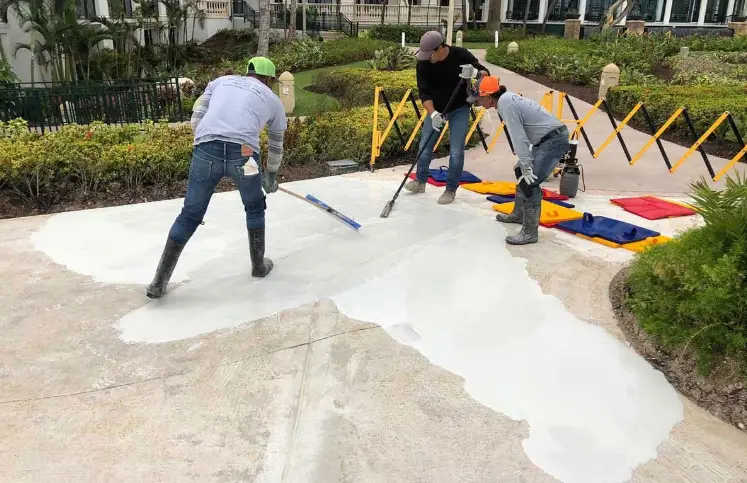
Resurfacing old concrete is a fast and inexpensive way to restore the appearance and functionality of worn-out concrete without replacing it entirely. This method involves applying a thin layer of material over existing concrete, which can greatly improve its durability, appearance, and safety. In this article, we will discuss why resurfacing the old concrete is better than replacing it.
Introduction to Concrete Resurfacing
Concrete resurfacing is the process of applying a new layer over existing concrete surfaces. This can be used for a variety of structures, including floors, driveways, patios, and walkways. The main objective is to improve the surface by covering blemishes such as cracks or discoloration, and to make it more resistant to wear and tear.
Difference Between Resurfacing and Replacing Concrete
Demolishing the existing structure and laying new foundations is a time-consuming and expensive process of replacing concrete. However, resurfacing involves rejuvenating the existing surface by applying a protective layer on top without removing any material beneath. However, resurfacing is an attractive option for quick fixes with minimal disruption due to this distinction.
Benefits of Concrete Resurfacing
1. Cost-Effectiveness
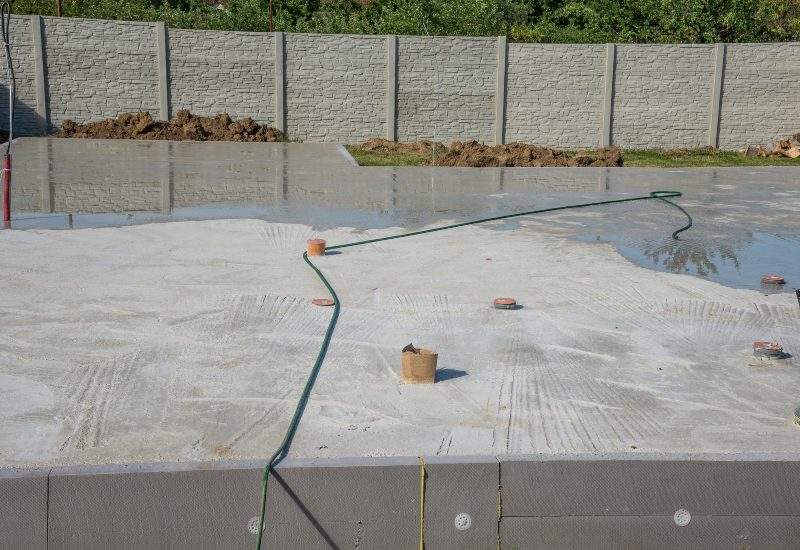
Resurfacing is one of the most cost-effective options for treating a worn-out heart valve. The resources (labor and materials) needed to demolish old concrete are substantial. On the other hand, resurfacing does not have these costs as it works with what is already there. The fact that it offers an affordable solution for updating commercial spaces, such as basements or auto shops, makes it a good choice.
2. Quick Turnaround Time
The results of concrete resurfacing are immediate and faster than full replacements. This method is typically ready for use in the treated areas within days of application, sometimes as soon as one day after completion. This quick turnaround helps reduce downtime in operational environments such as hospitals or laboratories, where activity is constant.
3. Enhanced Aesthetics
Concrete resurfacing not only looks better but can also be customized, such as color matching and pattern designs (e.g., marble or granite finishes). The aesthetic improvements can add significant value to commercial buildings when sold, as they visually showcase appealing spaces that require less maintenance upfront.
4. Durability
The resurfacing materials are designed to be extremely durable (often stronger than the original slabs) and stain- or tire-mark-resistant due to their composition (fine sands, cement modifiers). Long-lasting protection against environmental factors, such as extreme temperatures and chemical exposure, enables long life under heavy usage conditions.
5. Safety Features
Cracks leading to tripping accidents or slippery conditions during wet weather are also safety hazards associated with worn-out surfaces [9]. Addressing these issues with effective sealing techniques (including non-slip coatings) guarantees safer walking conditions, no matter the weather, a key factor in outdoor environments where traction is most important during rainstorms.
Process Overview: How To Resurface Worn Concrete
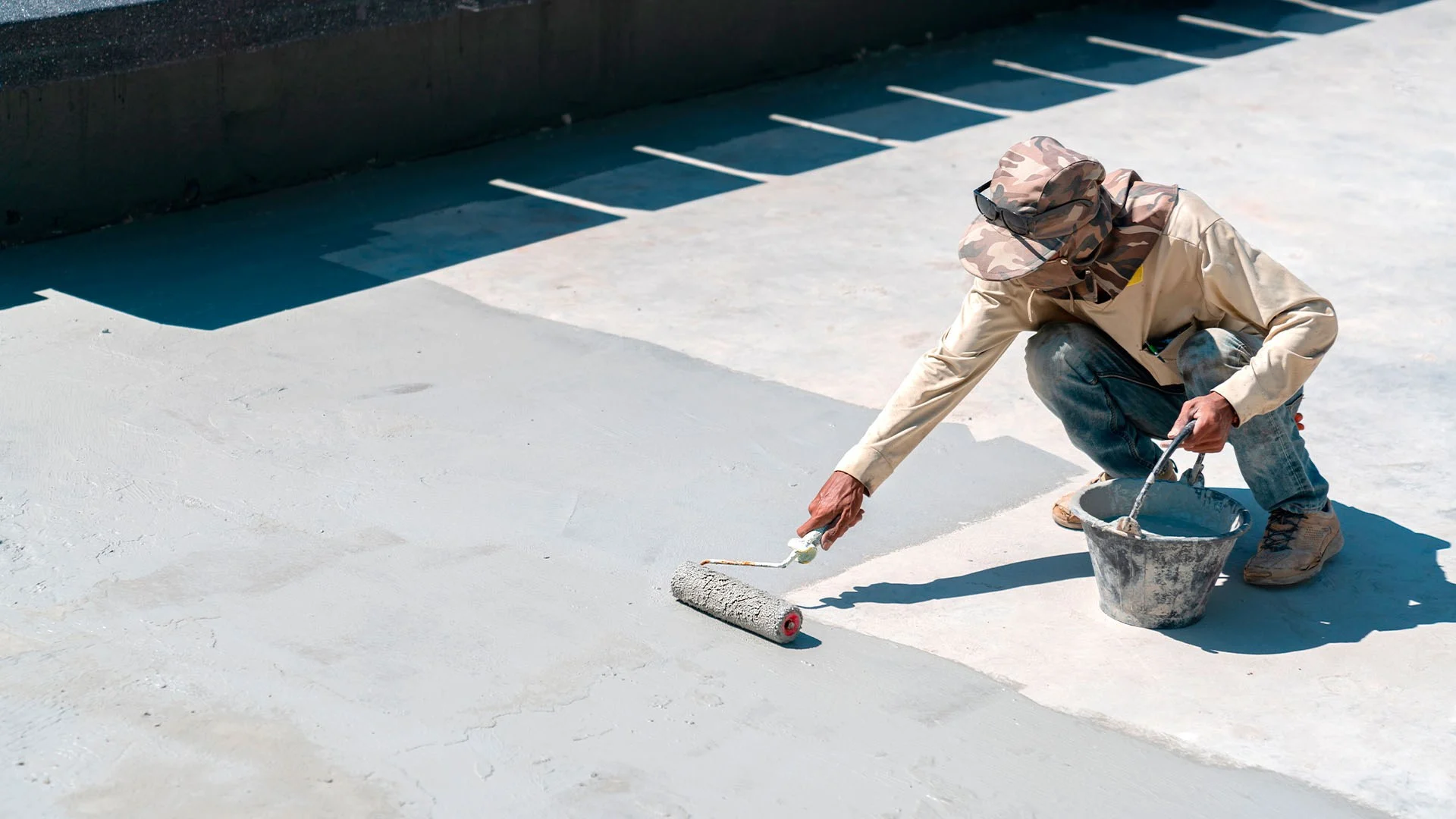
DIY enthusiasts may be able to get by with moderate skill (about three out of five). Still, professional assistance is usually more successful since practice is required for the troweling techniques used here.
Step-by-Step Guide:
- Preparation: Clean thoroughly with high-pressure washers, and if there is mildew, remove it.
- Patching: Minor cracks should be patched before new layers are applied.
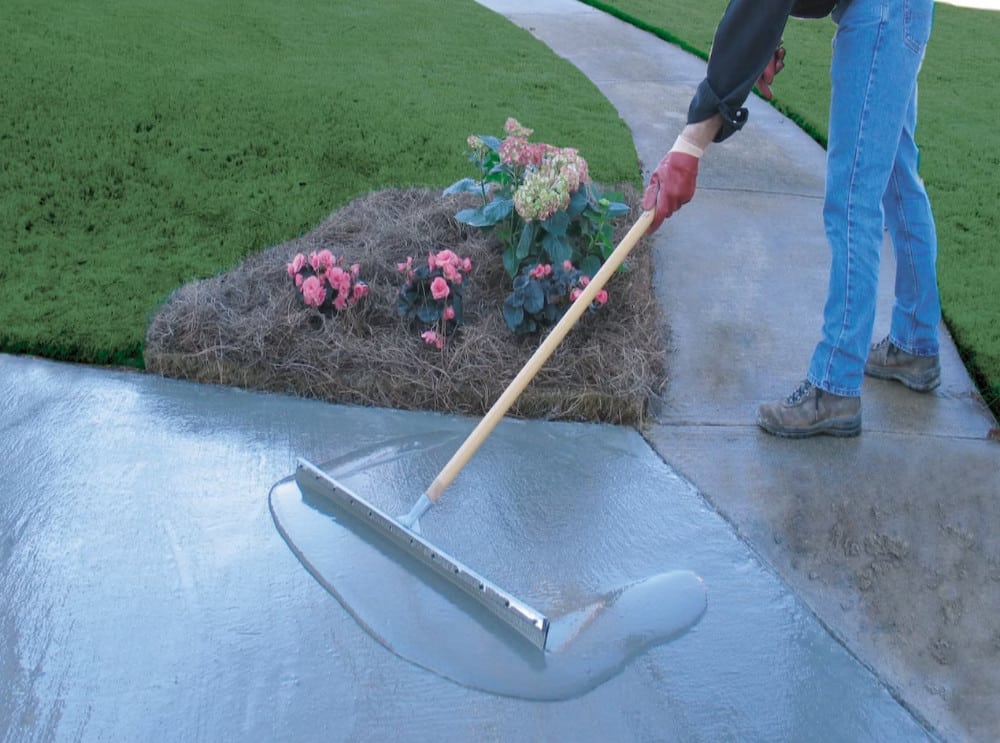
- Application: Spread evenly across prepared surfaces using specialized tools designed specifically around handling thick mixtures effectively without leaving air pockets behind them which could weaken overall strength post-drying stages later down line once fully hardened again after several hours depending upon ambient temperature levels present outside during work sessions conducted outdoors mainly under favorable climatic settings ideal between seventy-five degrees Fahrenheit maximum limit upwards till lower bounds set just above freezing point mark itself respectively speaking here now moving forward next onto final stages involving finishing touches added atop freshly laid coats still soft enough allow easy manipulation via hand tools available locally everywhere nowadays thanks advancements made possible through modern technology innovations brought forth recently within past few decades alone thus far anyway moving right along now…
Materials Needed:
- Pressure washer
- Protective gear
- Mildew remover
- Patching compound
- Trowel
- Leveling tool
Challenges Associated With Replacement vs Resurface Decision-Making Process
When deciding whether replacement might be more suitable than simply covering up problems temporarily until they return sometime soon afterward because root causes weren’t addressed properly initially leading into deeper structural damage potentially arising later down road unless tackled head-on right away first thing instead waiting till last minute rush situations arise unexpectedly forcing hasty decisions based solely off immediate needs rather long-term strategic planning considerations taking precedence always whenever possible ideally speaking here though sometimes reality dictates otherwise unfortunately enough times throughout history proving true indeed once more yet again nonetheless still worth noting nonetheless despite all odds stacked against us every step way forward into unknown territories uncharted waters so speak metaphorically put another way…
However challenging these choices may seem at first glance, upon closer inspection,, there exist clear-cut differences separating one approach from another, allowing informed decision-making processes to unfold smoothly, devoid of unnecessary stressors typically associated uncertainty surrounding major construction projects undertaken large scale operations requiring significant investments both financially emotionally too often times leaving lasting impacts lives people involved directly indirectly alike forever changing landscapes literally figuratively speaking same token…
In conclusion:
Resurfacing your old concrete offers numerous benefits over complete replacement—it’s cost-effective; provides quick results; enhances aesthetics; increases durability; ensures safety features like non-slip coatings; extends lifespan while protecting against environmental factors such as extreme temperatures & chemical exposure among others making it an ideal choice when dealing minor damages wear & tear scenarios rather opting full-scale renovations involving demolition rebuilding everything ground up starting scratch anew each time something goes wrong somewhere somehow someway shape form manner whatever case may happen turn out eventually end day…